
What Is Play Therapy and How It Works

Play therapy uses toys, art, and imagination instead of grown-up talk to help children express feelings, process experiences, and learn new coping skills. It meets kids exactly where they are and turns healing into something that feels like play.
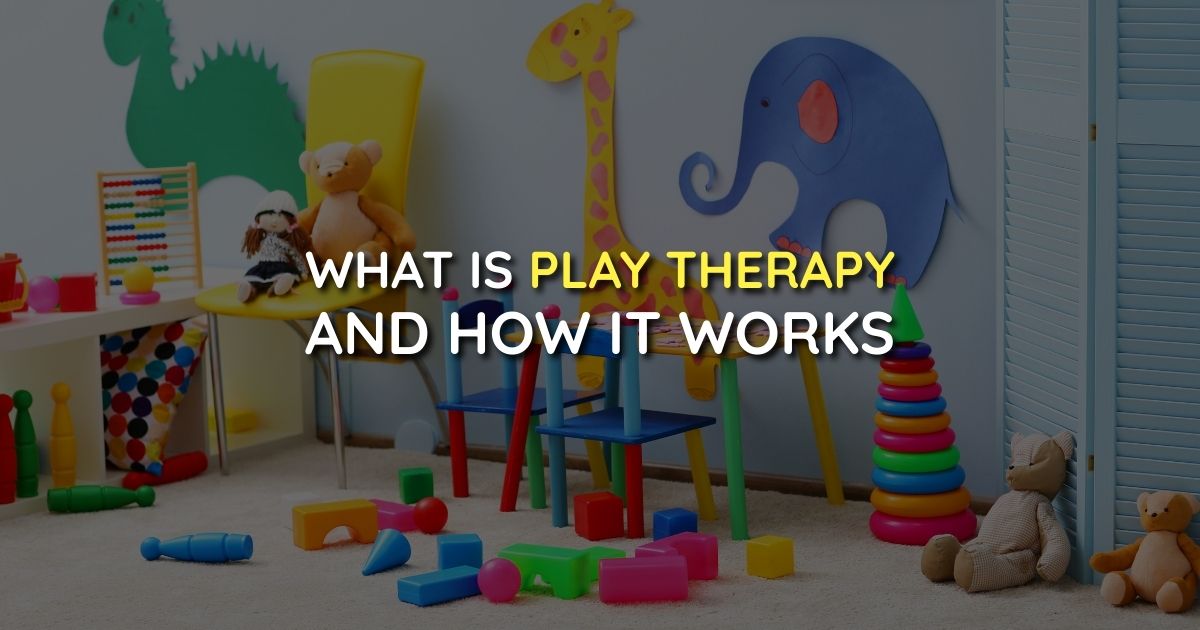
Play therapy is a gentle, research-backed way to help children heal and grow using the one thing they already know best: play.
Children often feel big things long before they have the words to explain them. Instead of expecting a young child to sit and talk like an adult, play therapy lets them speak through toys, art, drawings, sand trays, puppets, and pretend games. A doll family argument might show worries about parents fighting. A monster drawn in black crayon might represent fear. Crashing cars over and over might release pent-up anger. All of it is communication.
A registered play therapist watches, listens, and gently guides each session. They notice patterns, reflect feelings back to the child (“That lion looks really scared right now”), and create small opportunities for new choices and happier endings. Over weeks and months, children naturally:
- Learn to name and understand their emotions
- Practice healthier ways to calm down or ask for help
- Build confidence in solving problems
- Feel truly seen and accepted exactly as they are
Because everything happens through play, children rarely feel pressured or “in therapy.” They simply feel safe, heard, and free to be themselves.
Play therapy works so well because it meets children on their own level, in their own language, and turns the playroom into a place where healing feels like fun.
Ready to learn more about play therapy for your child?
Schedule a free consultation today.