
How Play Helps Children Process Big Emotions

Young children feel big emotions but rarely have the words to express them. In play therapy, crashing towers, buried toys, and gentle rocking become their language, helping them name feelings, learn calming tools, and feel truly understood and safe again.
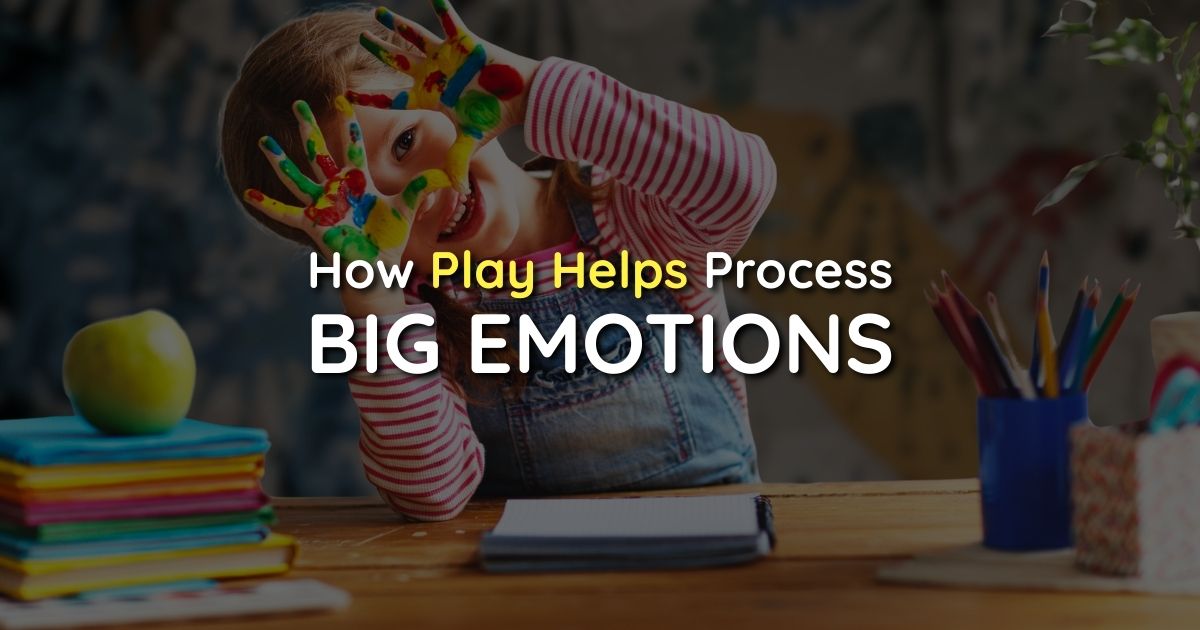
Children feel everything deeply: joy, anger, fear, sadness. Yet most of the time they simply don’t have the words for what’s happening inside. That’s where play becomes their voice.
In the playroom, big feelings show up naturally and safely. A child might knock down a tower over and over when anger bubbles up, bury a favorite toy when fear feels too big, or rock a baby doll close when comfort is needed. These small actions let heavy emotions move, lighten, and start to make sense.
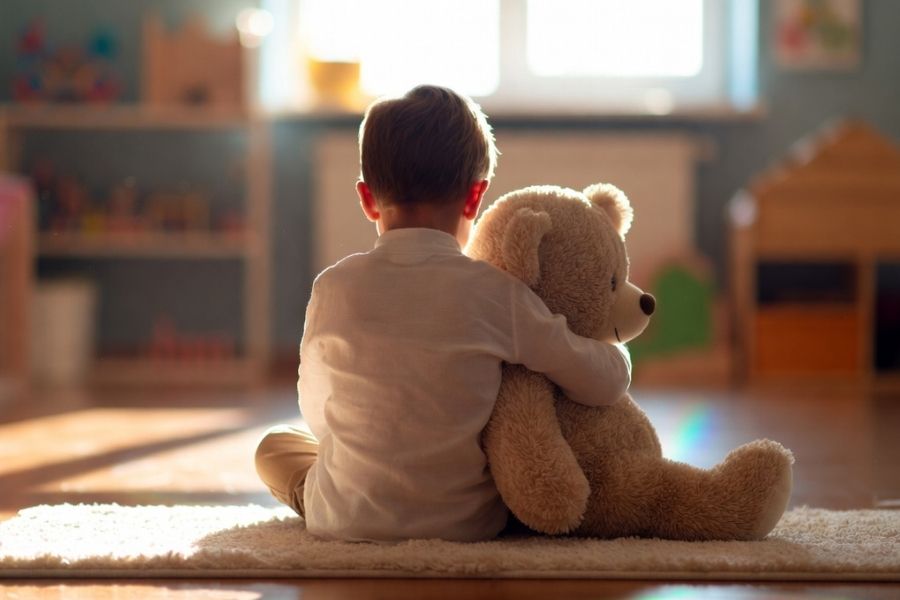
IIn play therapy, a trained therapist walks beside the child in this process and gently helps them:
- Put names to what they’re feeling (“That looks like anger when the blocks keep falling.”)
- Notice where feelings show up in their body
- Try simple, child-sized coping tools (deep breaths, squeezing a stress toy, drawing the feeling)
- Discover they can feel big things and still be okay
- Feel truly seen and accepted, exactly as they are
Little by little, children shift from being overwhelmed by emotions to understanding them. Tantrums get shorter. Worries feel smaller. They learn that all feelings are welcome—and that they have the power to soothe themselves.
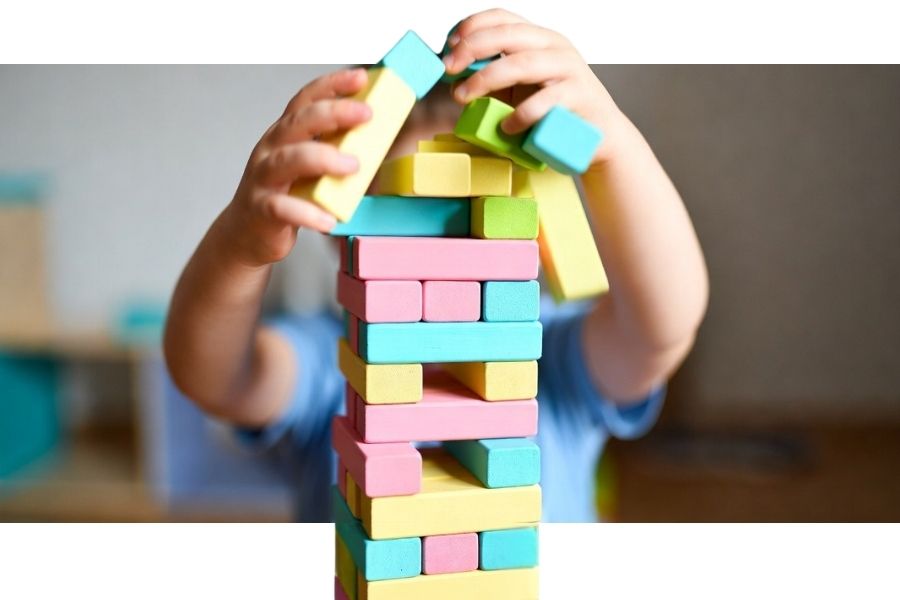
Play doesn’t make big emotions disappear. It gives them a safe place to land, be heard, and heal.
If your child is carrying feelings that seem too heavy for their little body, play therapy can help them find words, calm, and peace again.
Ready to give your child a safe space to feel and heal?
Schedule a free consultation today.