
Understanding Your Child’s Meltdowns

Meltdowns aren’t bad behavior; they’re a sign a child is overwhelmed. Play therapy teaches kids to spot early warning signs and use simple calming tools while helping parents respond with understanding instead of frustration.
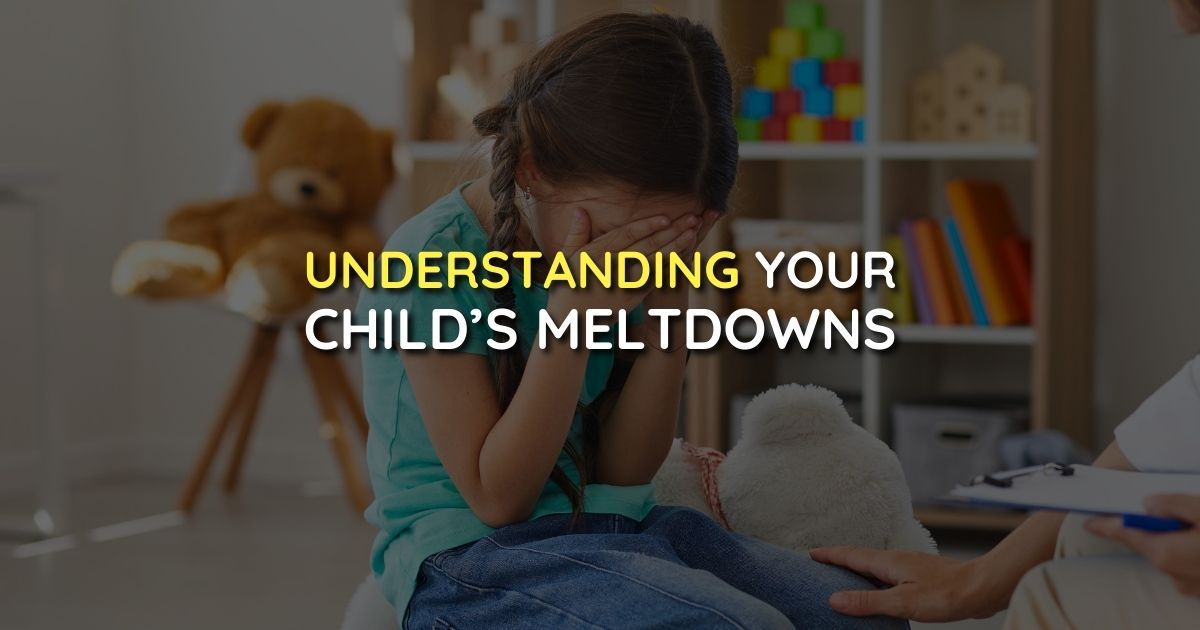
A meltdown is not misbehavior. It is your child’s nervous system saying “I’m at my limit.”
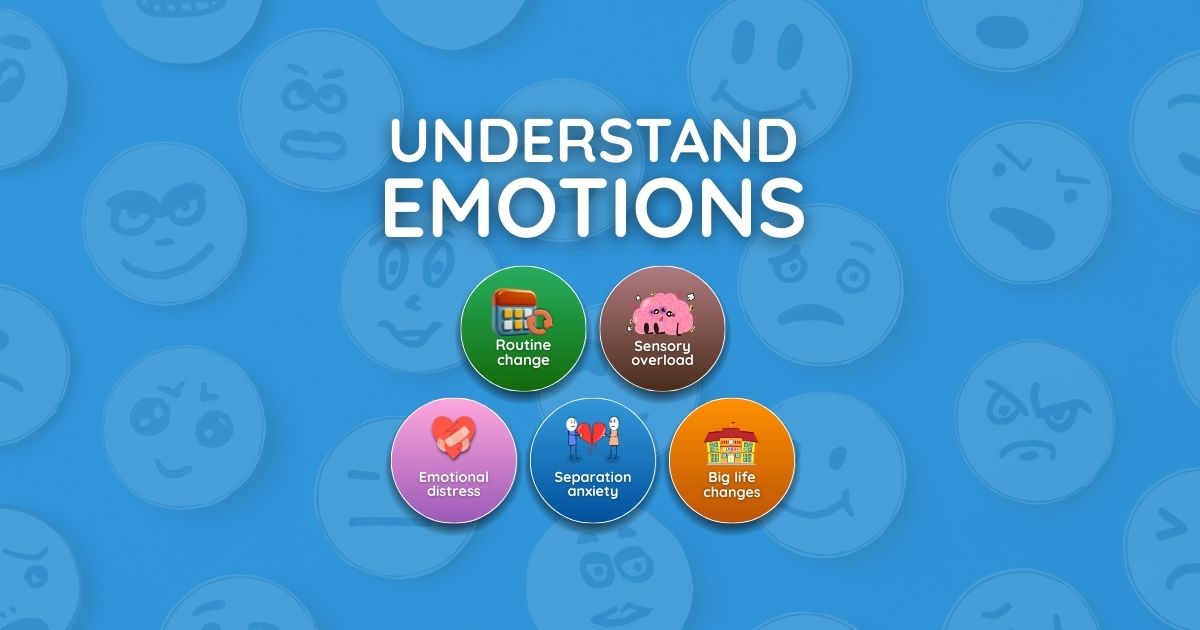
Young children simply do not yet have the skills or words to calm a flood of feelings. When the noise, lights, hunger, tiredness, a sudden change, or feeling misunderstood piles up, their body takes over: screaming, kicking, collapsing, or shutting down completely.
Common triggers include
- sensory overload (loud places, scratchy clothes, bright lights)
- changes in routine or transitions
- being tired or hungry
- worry or fear they can’t explain
- frustration from not feeling heard
In play therapy, children learn to notice the early signs of “too much” and practice simple ways to feel better: deep breaths, a cozy corner, squeezing a stress ball, or drawing the feeling. They also discover how to ask for help before everything spills over.
Parents learn too. Sessions often include guidance on what might really be happening beneath the meltdown and practical, calm responses that help everyone feel connected instead of defeated.
When we understand the “why” behind the storm, meltdowns stop feeling like battles. They become moments to teach, comfort, and grow closer.
Ready for fewer meltdowns and more peace at home?
Schedule a free consultation today.