
How Play Therapy Supports Social Skills

Play therapy gives shy or frustrated kids a safe, fun place to practice taking turns, sharing, solving conflicts, and making friends. Through games and guided play, children gain real social skills that make playdates, school, and family life smoother and happier.
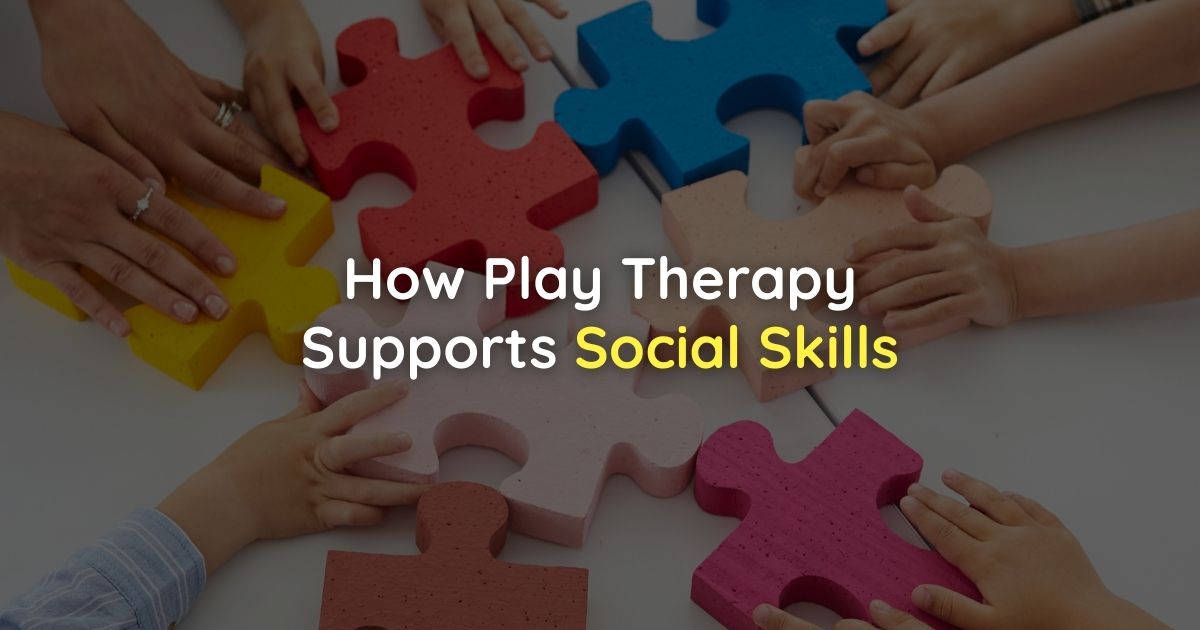
Social skills aren’t something children automatically know—they develop through real interactions, conversations, and plenty of practice. For kids who feel shy, get easily frustrated, or struggle to connect with others, everyday social moments can feel overwhelming.
That’s where play therapy makes a difference.
In the playroom, children practice essential social skills in a safe, enjoyable, and low-pressure environment. Through toys, games, and imaginative play, they naturally learn to:
- Take turns and wait patiently
- Share toys and materials
- Express needs and feelings with words
- Solve small conflicts with peers or siblings
- Understand another person’s point of view
- Manage frustration when things don’t go their way
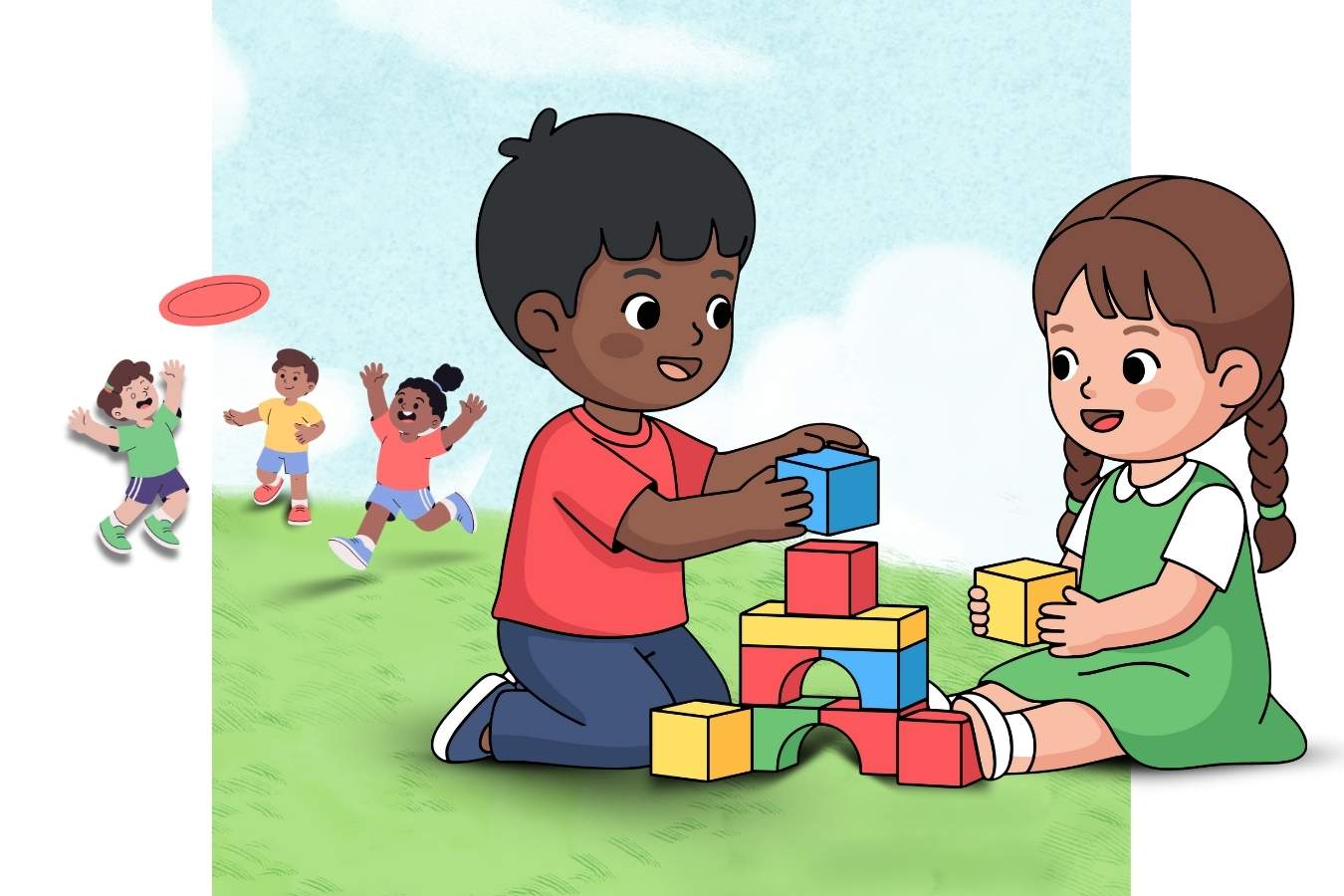
Group play therapy and sibling sessions take this further by giving children chances to try these skills in real-life social situations, with a trained therapist nearby for gentle guidance and support.
As these abilities grow, parents often see wonderful changes:
- Smoother playdates and birthday parties
- Fewer meltdowns over sharing or losing
- Stronger, longer-lasting friendships
- Greater confidence in classroom activities and family life
Play is a child’s natural language, and the playroom is the ideal place to practice the art of friendship.
If your child could use a little extra support in making or keeping friends, play therapy can help—all through the joy and power of play.
Ready to help your child blossom socially?
Schedule a free phone consultation today.