
5 Signs Your Child Might Benefit from Play Therapy

Five common signs your child might need extra support: intense emotions, changes in behavior, trouble with transitions, difficulty naming feelings, and struggles with friends or siblings. Play therapy offers a gentle, playful way to help them feel understood and strong again.
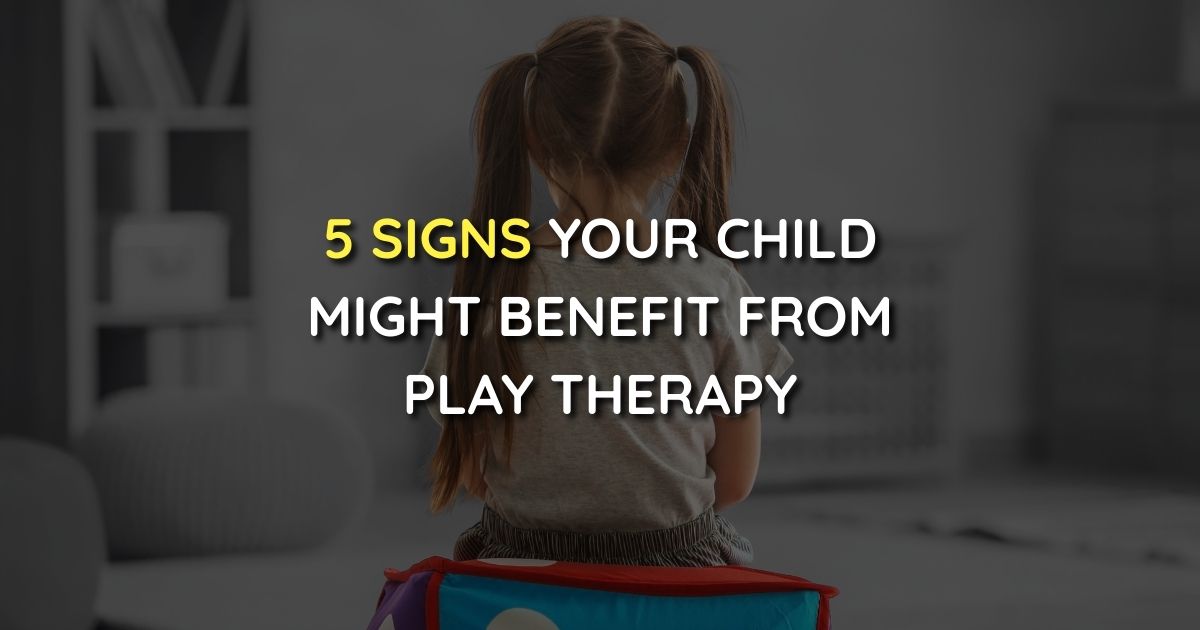
Every child has tough days, but sometimes the hard moments linger longer than they should. When a child is struggling inside and doesn’t yet have the words to tell us, play therapy can become the safe bridge they need. Here are five common signs that play therapy could help:
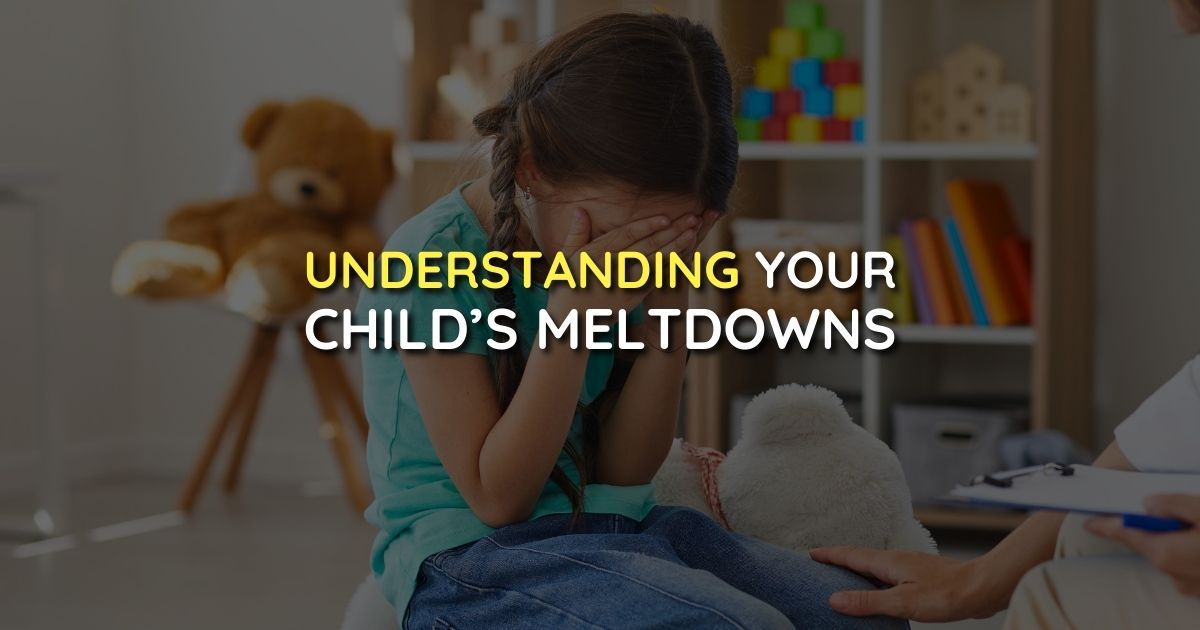
- Big emotions that feel too heavy Frequent meltdowns, sudden tears, or anger that seems to come out of nowhere and lasts longer than before.
- Noticeable changes in behavior Pulling away from family or friends, becoming extra clingy, or acting out in ways that feel new or intense.
- Difficulty adjusting to change A move, new sibling, divorce, loss of a loved one, or any transition that leaves them unsettled for weeks or months.
- Trouble naming or sharing feelings Often answering “I don’t know” when asked what’s wrong, shutting down during hard moments, or seeming confused by their own emotions.
- Challenges with friends or siblings Struggles to make or keep friends, frequent conflicts over sharing and turn-taking, or avoiding play with others.
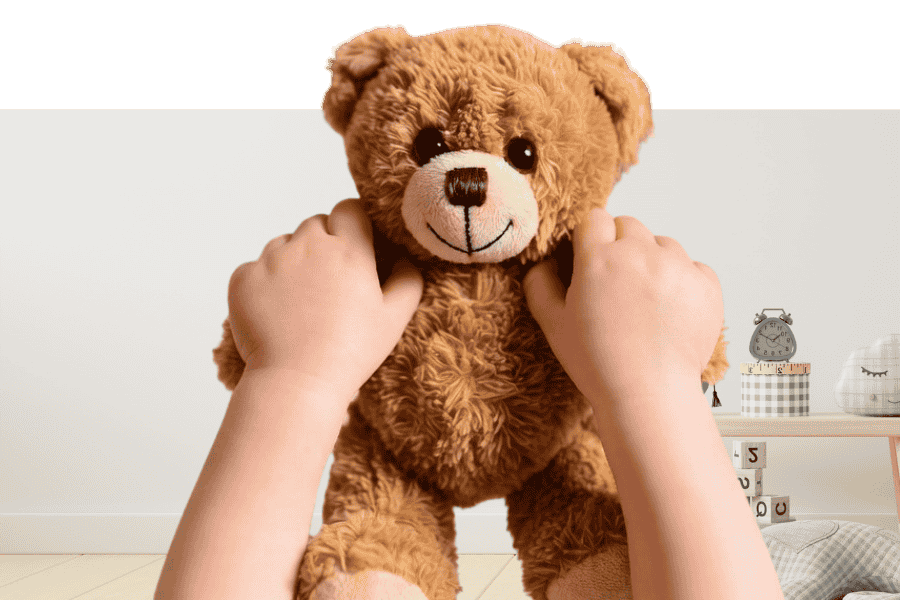
If several of these feel familiar, you’re not alone, and your child is not “behind.” They may simply need a safe, playful space to work through what’s weighing on their heart.
Play therapy gives children exactly that: a room full of toys, art, and a caring therapist who speaks their language. In that space, they feel understood, gain new tools, and start to feel like themselves again.
Ready to explore if play therapy is right for your child?
Schedule a free consultation today.